What to Consider When Choosing the Right CCTV Camera

Choosing the right CCTV camera requires understanding factors such as clarity, reliability, and environmental conditions to make informed decisions.
Choosing the right CCTV camera requires understanding factors such as clarity, reliability, and environmental conditions to make informed decisions.
1. Define the Purpose of Your CCTV System
Before selecting a camera, it's essential to clearly understand what you want the system to accomplish. Defining your security goals will help you confidently choose the right system, whether your aim is to deter crime, monitor activity, or gather evidence.
2. Internal Vs External Cameras
The placement of your camera is crucial to your decision-making process. Indoor cameras are generally more compact and do not require weather protection, while outdoor cameras must be robust enough to withstand rain, dust, heat, and cold. This is indicated by the IP rating. When selecting cameras for outdoor use, seek models with high weatherproof ratings and vandal-resistant features.
3. Image Resolution and Quality
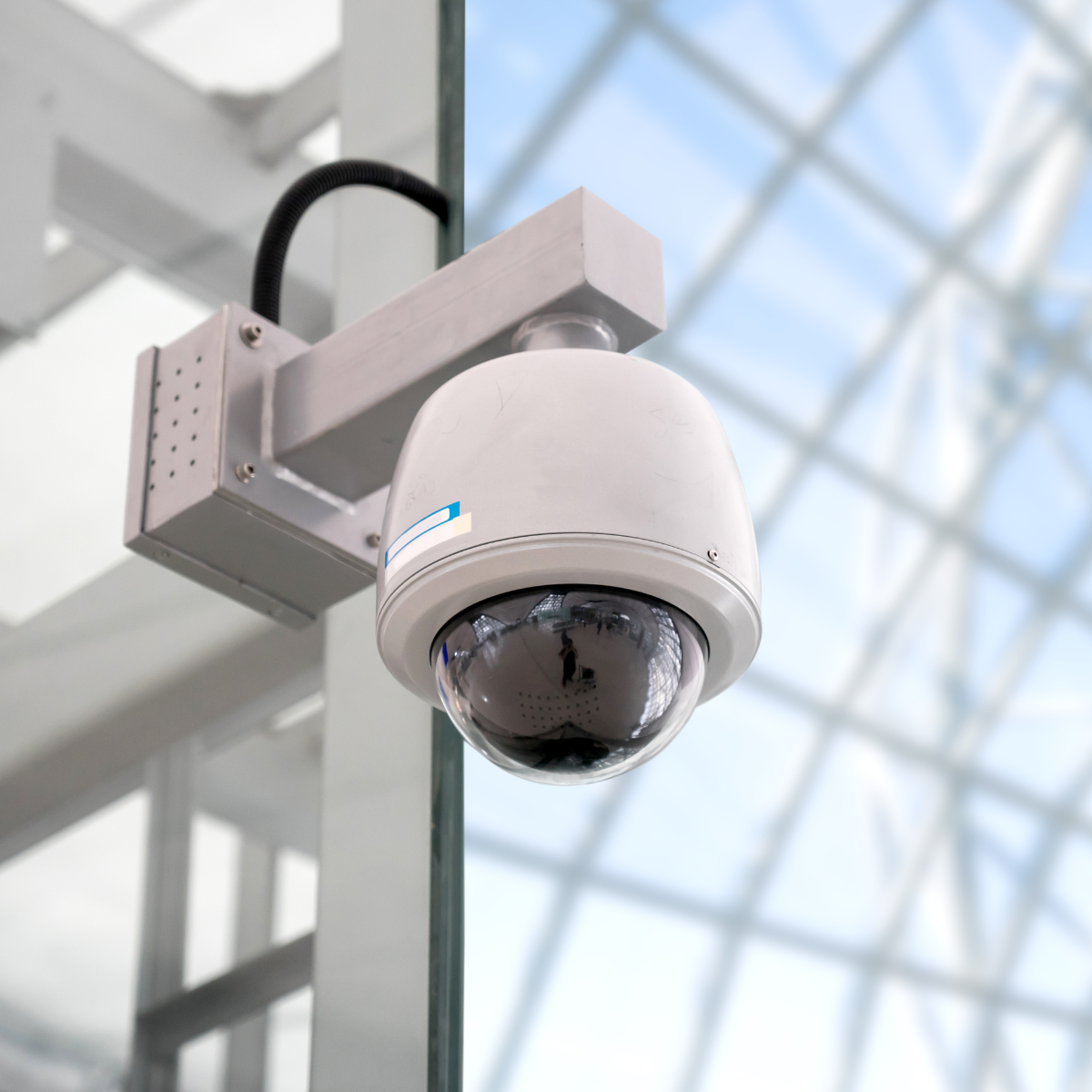
Image clarity is crucial for effective surveillance. Full HD (1080p) is typically the minimum recommended resolution, while higher resolutions, such as 4MP, 5MP, or 4K, offer greater detail, which helps monitor larger areas. However, it's essential to consider that higher-resolution footage will consume more storage space, so you need to decide what is more important. More footage or clearer footage?

4. Field of View
The field of view of a camera determines the amount of area it can cover. Wide-angle lenses are ideal for monitoring large open spaces, while narrower lenses are better suited for focusing on specific areas such as entrances, gates, or corridors. Selecting the appropriate field of view ensures you capture important details rather than overly broad footage that lacks clarity.
5. Night Vision and Low-Light Performance
Security is essential even after dark. Cameras equipped with infrared (IR) night vision produce clear black-and-white footage in complete darkness, while colour night vision cameras provide more detail when ambient light is available. Find out more about colour night vision here. Always verify the night vision range to ensure it meets the needs of the area you wish to monitor.
We have a great blog post to help you choose the best night-vision CCTV cameras. You can read that here.
6. Camera Style and Design
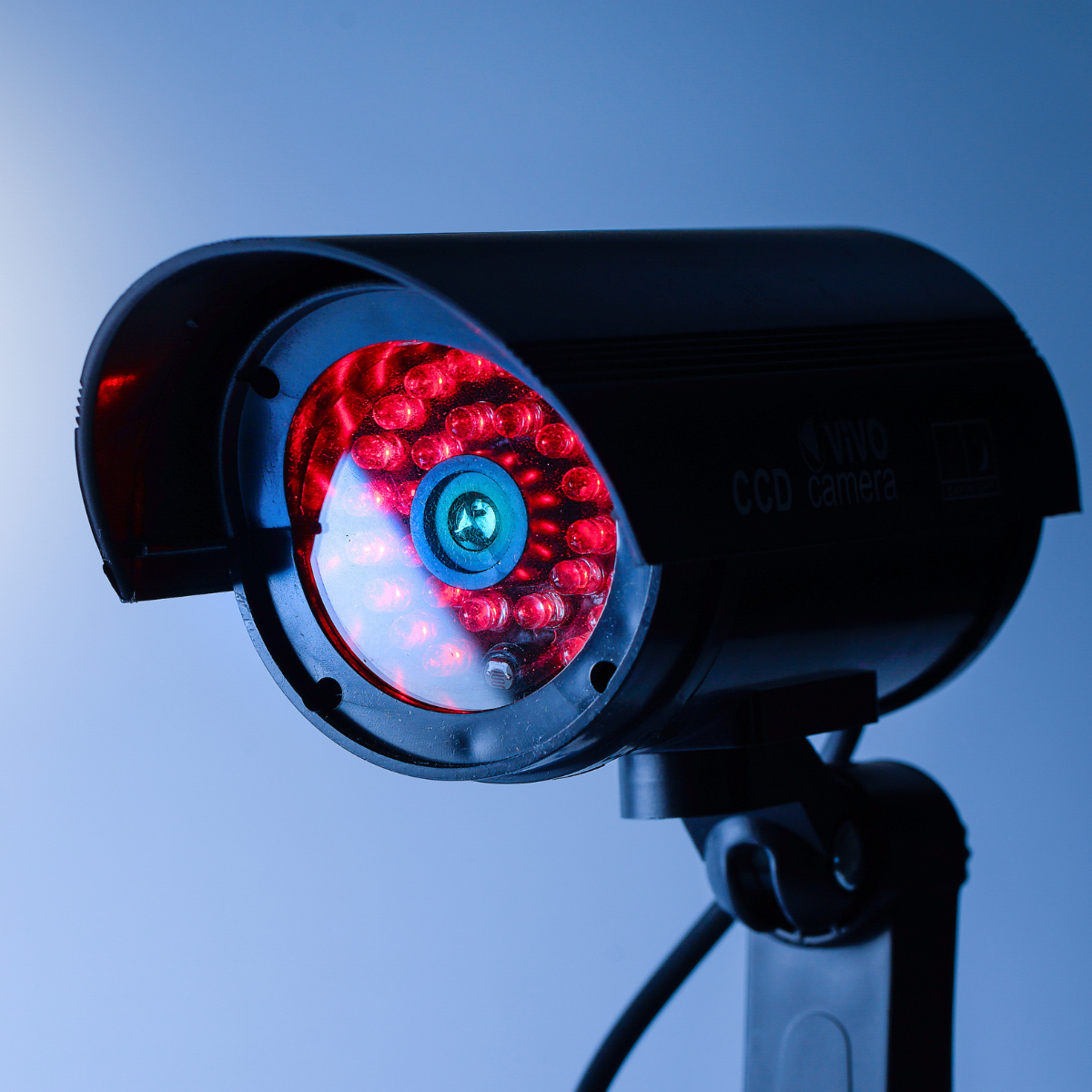
Different camera styles influence deterrence, coverage, image quality, durability, and privacy. For example, obvious cameras can discourage crime, while more discreet designs suit professional or public environments. Camera style also affects night-time performance, resistance to vandalism, suitability for indoor or outdoor conditions, and ease of installation. Choosing the right style ensures the CCTV system performs reliably, captures usable footage, and fits its environment without creating privacy or compliance concerns.
You can find out more about why camera style matters in our helpful blog here.
7. Storage and Recording Options
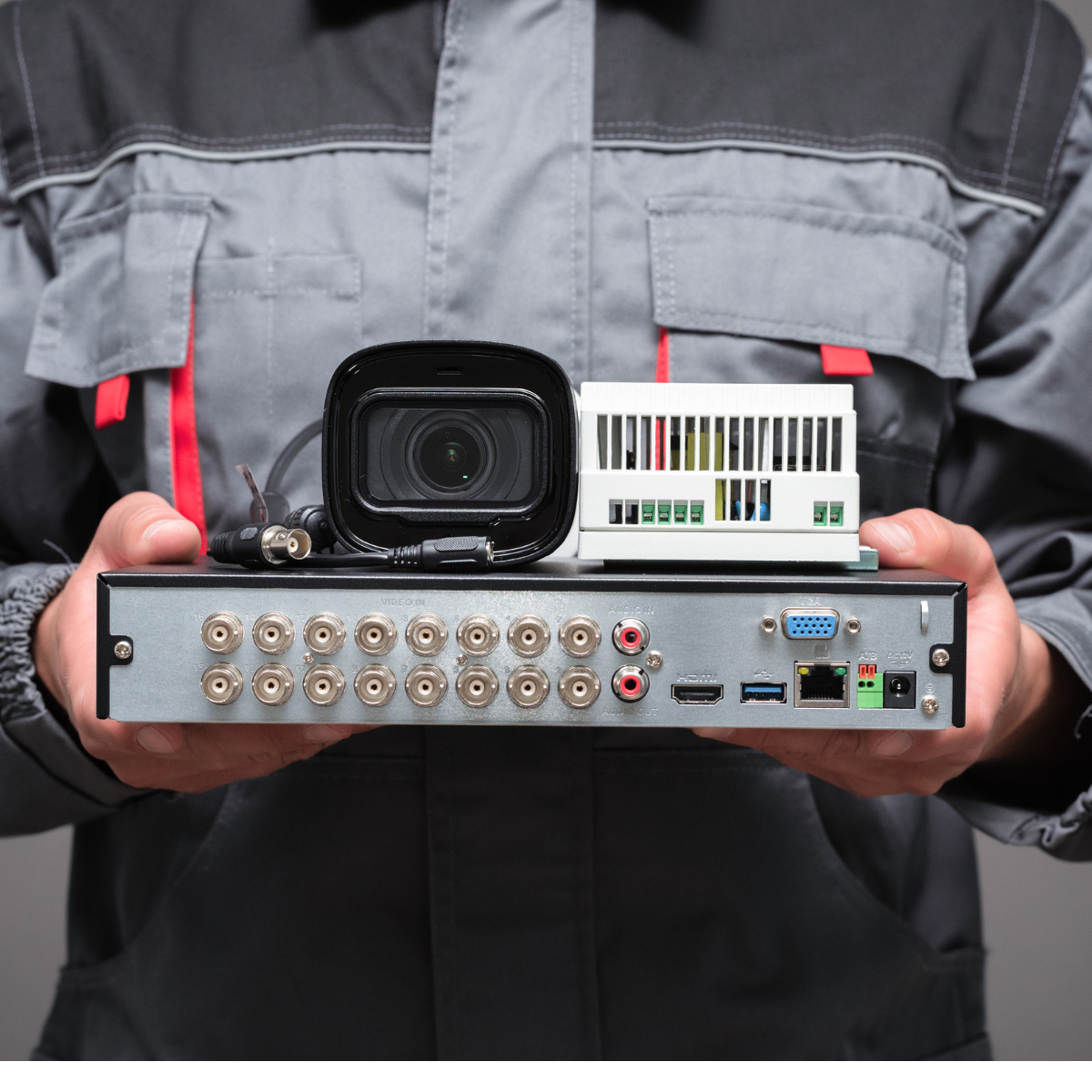
CCTV footage can be stored in different ways: locally on a DVR or NVR, in the cloud, or directly on the camera using an SD card. Local storage provides better control and avoids monthly fees, while cloud storage enables easy remote access. Additionally, you'll need to choose between continuous recording and motion-activated recording to manage storage effectively. You can read our helpful blog post on choosing the right video storage option for your CCTV system.
Norbain also has a helpful storage calculator to help you figure out your video storage needs; you can find it here.
8. Wired or Wireless Setup
Wired systems, especially those using Power over Ethernet (PoE), are recognised for their stability and ability to deliver high-quality video, making them ideal for long-term installations. In contrast, wireless cameras are easier to install but rely heavily on the strength of the Wi-Fi signal. Additionally, most wireless cameras still require a power source.
9. Smart Features and Remote Access
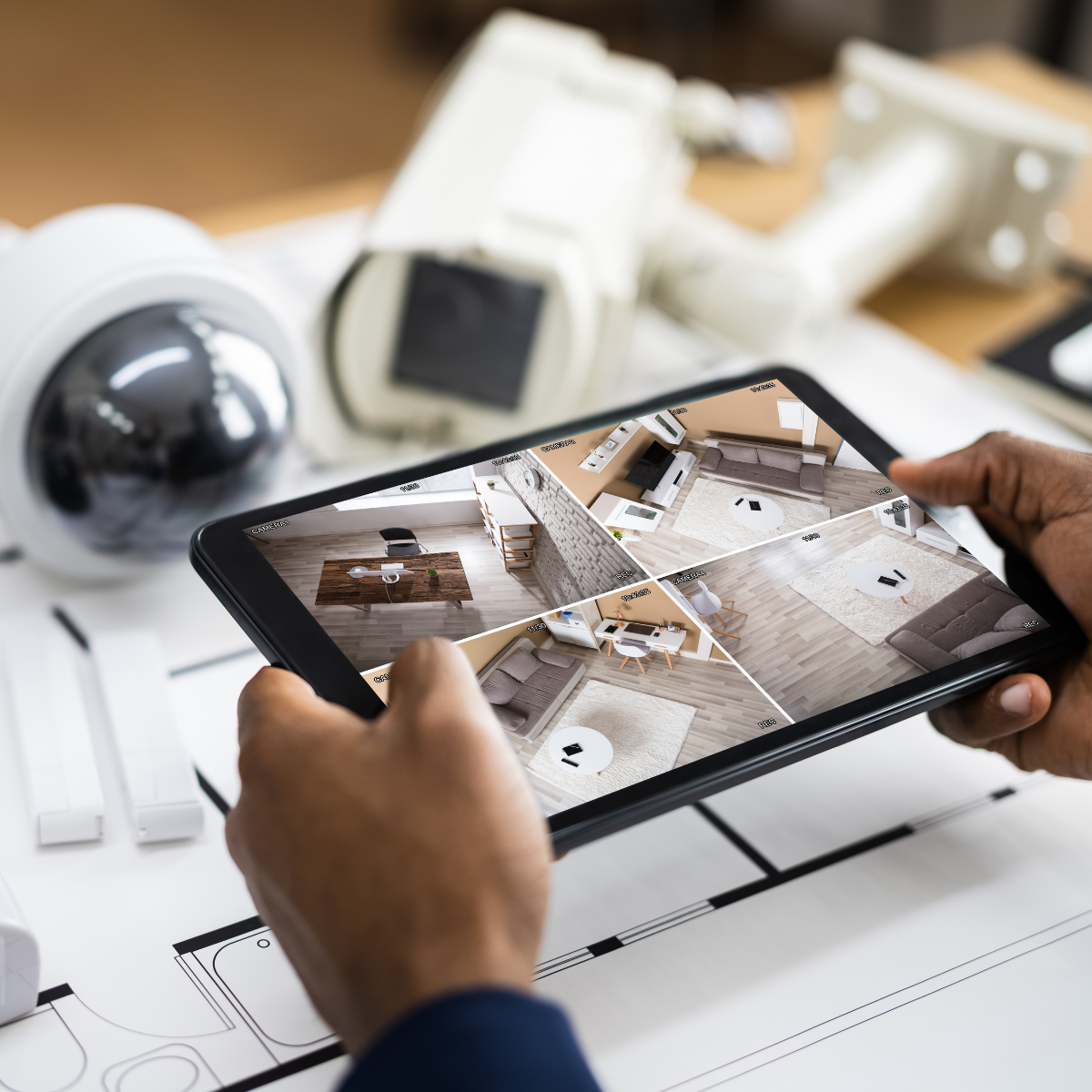
Modern CCTV cameras often offer features such as motion alerts, mobile app access, two-way audio, and AI-driven people or vehicle detection. While these functionalities can enhance security, they should complement, not complicate, your system.
10. Privacy and Legal Considerations
When installing CCTV cameras, it is essential to take privacy laws seriously. Make sure your cameras do not record public spaces or capture your neighbours unnecessarily. This approach fosters a sense of responsibility and respect, which helps build trust in your security system and within the community.
11. Budget and Future Expansion
Finally, evaluate both your current budget and future needs. A scalable system lets you add more cameras as your security requirements grow. Investing in high-quality equipment from the start often reduces maintenance and replacement costs over time.
Final Thoughts
Choosing the right CCTV camera requires matching technology to its intended use. By carefully considering the installation location, the specific footage you want to capture, and how you plan to store that footage, you can create a security system that is effective, reliable, and adaptable for the future.
Get in touch with Norbain's fully trained sales team, who can assist with any queries you may have.