Choosing the Best Night Vision CCTV Camera

Maintaining a property's security at night presents unique challenges. Criminal activity is more likely to occur under the cover of darkness, making a night vision camera a vital component of any reliable security system. But with so many models and features on the market, how do you decide which one is right for your needs? Now that you know why night vision cameras are essential, let’s look at the basics: how these devices function and what features matter most.
Maintaining a property's security at night presents unique challenges. Criminal activity is more likely to occur under the cover of darkness, making a night vision camera a vital component of any reliable security system. But with so many models and features on the market, how do you decide which one is right for your needs?
Now that you know why night vision cameras are essential, let’s look at the basics: how these devices function and what features matter most.
How Night Vision CCTV Cameras Work
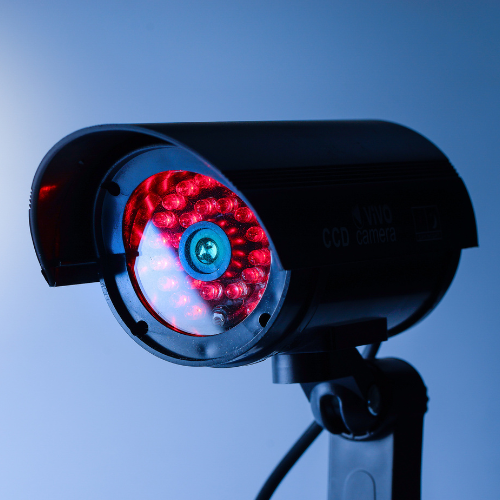
Night vision security cameras use infrared LEDs to emit light invisible to humans but visible to camera sensors. This, in turn, creates clear black-and-white images.
Advanced night vision camera models offer colour night vision using low-light sensors. Colour night vision CCTV suits semi-lit areas, while black-and-white cameras work best in total darkness or outdoors.
Read our helpful blog to find out more about colour night vision.

Night Vision Camera vs Day/Night Camera
When it comes to choosing the right surveillance camera, two terms often confuse: night vision cameras and day/night cameras. While both are designed to improve visibility after dark, they use different technologies and serve slightly different purposes. Here’s what you need to know before deciding which one is best for your setup
What Is a Night Vision Camera?
A night vision camera is built to see in complete darkness. It uses infrared (IR) illumination, usually provided by built-in IR LEDs surrounding the lens. This invisible light allows the camera sensor to capture images even when there’s no ambient light at all.
- Day performance: Typically records in colour.
- Night performance: Switches to black and white for clarity when IR is active.
- Best for: Areas with no lighting, such as warehouses, rural properties, or dark alleys.
Pros: Works in pitch-black.
Cons: Infrared has a limited range, reflections from glass can interfere, and detail may decline over distance.
What Is a Day/Night Vision Camera?
With that in mind, let’s discuss how day/night cameras differ from traditional night vision cameras.
A day/night camera is designed for environments where lighting conditions change throughout the day and night. It uses an IR-cut filter that adjusts automatically:
- Day performance: The filter blocks infrared light, producing accurate colour images.
- Night performance: The filter is removed, making the sensor more sensitive to low light and IR illumination. The result is usually a black and white video for improved clarity.
- Best for: Outdoor surveillance where there’s some ambient light from streetlights, moonlight, or security lighting.
Pros: True colour during the day and reliable performance at night.
Cons: Not ideal for total darkness without external IR illumination.
Key Factors to Consider when choosing the right Night Vision CCTV Camera
When choosing a night vision surveillance camera, focus on the factors that matter most to the property:
Key Features to consider when choosing a night vision camera:
- Resolution: Higher resolutions deliver clearer images. Choose at least 1080p, or 4K for more detail.
- Infrared Range: The effective range of infrared illumination varies. Ensure the camera's IR range covers the area you wish to monitor.
- Field of View: A wider FOV allows the camera to cover more area, reducing the number of cameras needed.
- Connectivity: Decide between wired CCTV for reliability or wireless CCTV for flexibility, ensuring your cabling infrastructure supports high-definition feeds.
- Durability: For outdoor use, select cameras with weather-resistant ratings (IP66 or higher) to withstand harsh conditions such as cold and wet weather. Read our blog on IP Ratings and what they mean when it comes to CCTV.
- Integration: Ensure compatibility with existing security systems for seamless functionality.
- Budget: Invest in quality for long-term savings. Balance initial costs with potential maintenance expenses. It is also crucial to consider the value of the property or asset being protected.
- Higher Cost for Advanced Options: Cameras with colour night vision (using low-light sensors or white LED illumination) tend to be more expensive.
Despite these drawbacks, the advantages far outweigh the limitations. When installed and maintained properly, night vision CCTV cameras provide reliable, round-the-clock monitoring, making them a cornerstone of any effective security system.
Making the Right Choice on your Night Vision CCTV Solution
Ultimately, the best night vision security camera is the one that balances quality, functionality, and cost for your specific situation. If you’re monitoring a small, well-lit area, a CCTV with colour night vision could be a great choice. If you need to cover a large garden, car park, or warehouse in total darkness, a traditional black-and-white infrared camera may perform better.
By focusing on resolution, IR range, durability, and connectivity, you’ll be able to select a camera that keeps your property safe morning, noon, and night.
Get in touch with Norbain to see how we can help you with finding a night vision camera for your project. We also have a range of colour night vision cameras from Vista available if colour night vision is more preferable. See the Smart-ISP range here.