Wired vs Wireless Intruder Alarm Systems: What to think about when installing

So, you’ve been asked to install an intruder alarm system and recommend the best solution for your customer’s needs. The trouble is, you’re not 100% sure yourself—what are the latest innovations, and how do you determine whether to recommend a wired or wireless solution?
So, you’ve been asked to install an intruder alarm system and recommend the best solution for your customer’s needs. The trouble is, you’re not 100% sure yourself—what are the latest innovations, and how do you determine whether to recommend a wired or wireless solution?
The first point to bear in mind with intruder alarm systems is that the best option will depend on the customer’s individual needs, budget, and the specific requirements of the property that’s to be secured. If you need a hand on which grade alarm to install on the property, we have a helpful blog here that breaks down each Intruder Alarm Grade and gives you more insight into which would suit your customer.
Wired and wireless systems offer different benefits and drawbacks. Let’s take a look at the advantages and disadvantages of each.
Wired Intruder Alarm Systems
Advantages of a Wired Intruder Alarm
- Reliability: Wired alarm systems have historically been seen as more reliable than wireless options. Since they are hardwired into a central panel, they utilize the building’s electrical and broadband connections rather than relying on batteries and Wi-Fi. This means that the system is less susceptible to signal interference or jamming, ensuring that it operates consistently and provides comprehensive coverage.
- Best technology available: Wired systems are generally designed for professional installation, providing peace of mind to customers seeking the highest level of security they can afford.
- Reduced Long-Term Cost: Although installation of a wired alarm solution tends to be more expensive, the long-term costs should be less with a wireless system because there is no outlay for replacement batteries, lowering maintenance costs. Additionally, existing wiring can be reused for any design alterations.
- Increased Area Coverage: If extensive coverage is required by the alarm system, then a wired option can be preferable. This is likely to be the case in larger properties & structures or those covering multiple levels.
- Require Professional Installation: While this increases the initial investment, proper installation can enhance the value of a residential property. In commercial properties, existing infrastructure, such as cable trays or suspended ceilings, can help lower cabling and labour costs.
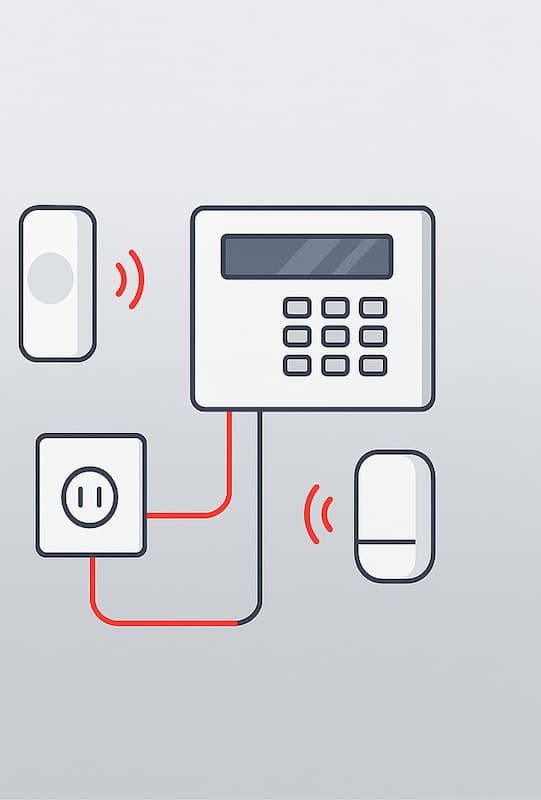
Disadvantages of a Wired Intruder Alarm
- Intrusive and Complex Installation Process: A wired intruder solution may take several days to complete, making it labour-intensive. Professional installers may require full, uninterrupted access to each room or area that’s to be protected. Running the cables may prove challenging, particularly in older properties or those with specific architectural considerations, such as listed buildings.
- More Expensive to Install: Wired intruder alarm systems tend to be more expensive than their wireless counterparts because of the added costs of materials like cables and trunking, along with the extra labour required to route and conceal wiring.
- Aesthetic Considerations: Drilling into walls/ceilings and having visible cables may affect the visual appeal of a property – a key consideration for residential properties in particular.
- Reliance on a landline for communication: If there is a power outage, this can disrupt the wired alarm system’s ability to function, particularly if the outage also affects phone lines.
- Limited Flexibility: If modifications are needed, additional wiring will be required. Wired systems cannot be easily relocated.
Wireless Intruder Alarm Systems
Advantages of a Wireless Intruder Alarm System
- Ease of Installation: A primary benefit of wireless intruder solutions is no cabling or drilling into walls & ceilings, ideal for minimal disruption, particularly for smaller projects, such as residential or small offices. Many wireless systems these days operate via intuitive remote access apps, so the installer can program and connect sensors, detectors, and other elements to the central hub or control unit before visiting the installation premises.
- Flexibility: Sensors and detectors can be relocated easily with wireless burglar systems, minimising disruption. They can also be expanded fairly easily, with minimal effort. From an installer's point of view, you can add a new sensor or other item before visiting the customer if the solution has remote access and you are responsible for maintenance, etc. If you’re retrofitting an existing structure or the location makes wiring a challenge, then wireless is a no-brainer.
- Aesthetics: No damage to walls, no unsightly wiring, and the ability to move the central hub if necessary – all of these make a wireless intruder solution attractive and maintain a property’s integrity. This is particularly relevant to the residential market or when considering what option is best for a listed building.
- Lower Initial Cost Outlay: More straightforward and quicker installation often means the initial outlay for a wireless alarm setup is less compared to wired options.
- Remote Access and Control: Modern wireless solutions integrate with smart technology, providing installers and users with remote access via apps on tablets or mobiles.

Disadvantages of a Wireless Intruder Alarm System
- Reliability: Wireless intruder alarms communicate via radio waves, which can be vulnerable to interference from other devices such as baby monitors, Wi-Fi routers, or environmental factors. This interference may disrupt sensors and the control panel, potentially resulting in false alarms or system malfunctions.
- Security: Wireless security systems can be vulnerable to hacking and, in rare cases, signal jamming, which may prevent alerts from reaching homeowners or authorities. To protect against this, it's important to have a backup power supply. Battery-powered devices like cameras and motion sensors offer a reliable failsafe, keeping your home secure even if the main signal is disrupted.
- Running Costs – maintenance & battery: Whilst purchasing and installing a wireless alarm system may be the cheaper option, the running costs may be something to think about. Wireless systems generally depend on battery power, which means the batteries need to be replaced or maintained regularly to keep the sensors functioning properly. This can become an ongoing expense and maintenance task for homeowners.
- Requires an Internet Connection: Certain wireless security systems depend on an Internet connection to transmit video footage or trigger the alarm. If the internet service is interrupted, the system may fail to operate.
Best of Both Worlds with a Hybrid Intruder Solution
Relatively new to the marketplace, hybrid intruder alarm systems combine both wired and wireless technologies to provide flexible, reliable security for homes and businesses. Wired components offer stability and durability, while wireless devices allow for easy installation and expansion, making the system ideal for both new builds and existing properties.
Managed by a central control panel, hybrid systems ensure comprehensive coverage and can be easily upgraded as security needs evolve. This blend of convenience, cost-effectiveness, and robust protection makes hybrid alarms a smart choice for modern security solutions.s
Final Thoughts
Both wired and wireless intruder alarms offer solid protection when professionally installed and maintained. Whether your customer values the dependability of a wired system or the modern convenience of a wireless setup, what matters most is choosing a system that suits the property, lifestyle, and security goals of the customer.
Get in touch with our team today to see how we can help you choose the right Intruder system.