How Often Should a CCTV Camera System Be Serviced? A Complete UK Guide

A reliable CCTV system protects people, property, and assets, but it requires regular maintenance. UK industry guidance offers clear recommendations to help you stay secure and compliant with regulations. Read on to find out when it is best to service your CCTV system.
A reliable CCTV system protects people, property, and assets, but it requires regular maintenance. UK industry guidance offers clear recommendations to help you stay secure and compliant with regulations.
Why Regular CCTV Maintenance Is Essential
CCTV systems operate continuously, which leads to normal wear and tear. Lenses can get dirty, hard drives may fail, and cameras might move out of place. Without regular servicing, issues often go unnoticed until a problem arises. Just as you maintain a car, your security system also needs routine checks.
Regular maintenance keeps your system operational, captures high-quality usable footage, and ensures compliance with GDPR, insurance, and UK standards.
If a system isn’t maintained, it may miss or lose crucial evidence, making investigations and claims harder to support.
Annual Servicing – The Minimum Requirement for Every System
Experts in the UK suggest that all CCTV systems should be professionally serviced at least once a year. This service includes a full inspection of cameras, cables, and control equipment, along with software updates to ensure everything functions properly.
This service is suitable for:
- Small to medium-sized offices
- Low-risk environments
- Homes
- Sites where CCTV is used for review, not live monitoring
Biannual Servicing
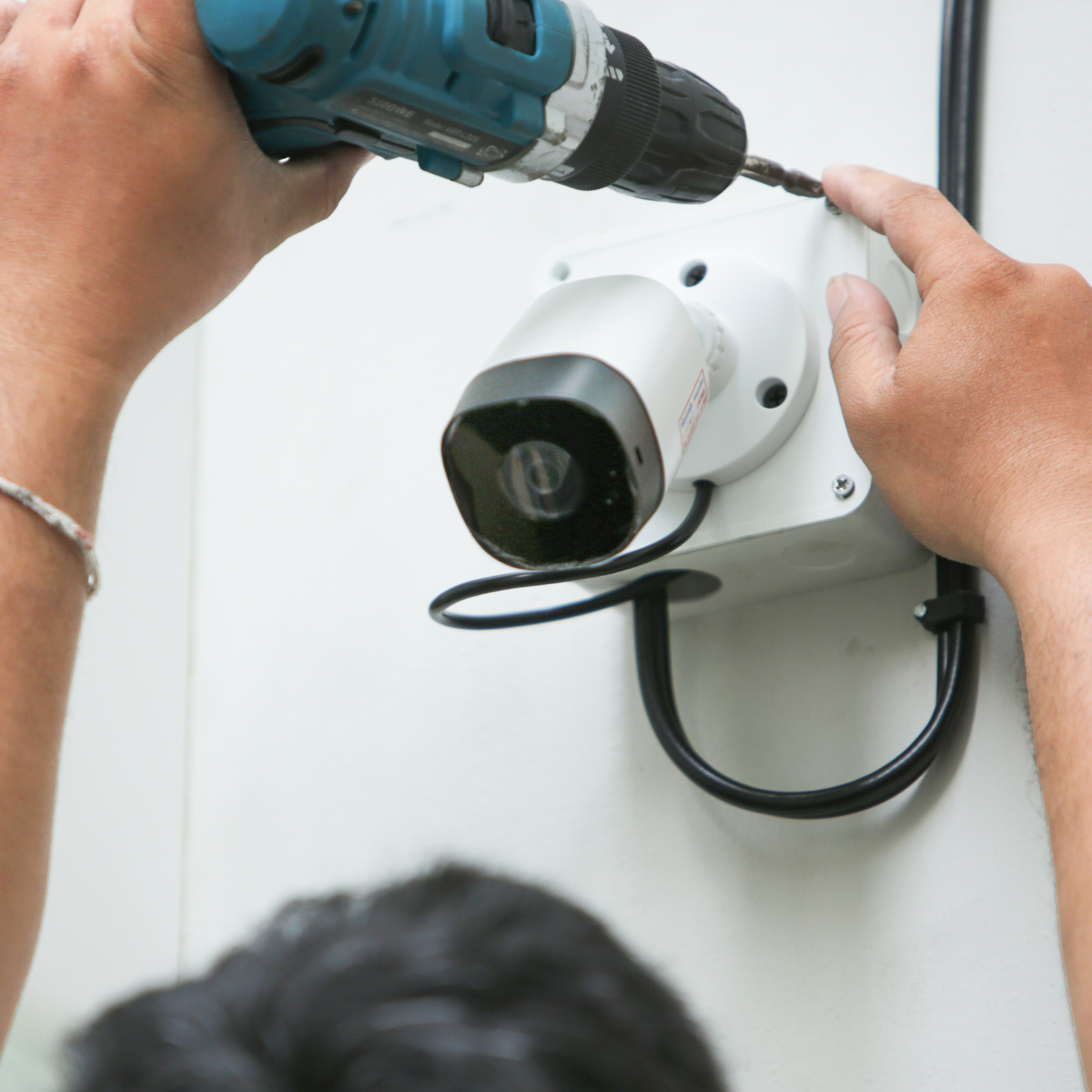
This schedule suits businesses with more visitors, difficult conditions, or higher security needs. Servicing every six months reduces downtime and improves reliability.
This applies to:
- Retail stores
- Schools and colleges
- Warehouses and storage facilities
Quarterly Servicing
Quarterly servicing is most appropriate for high-risk locations or businesses that rely on real-time CCTV monitoring. Such environments may utilise specialised equipment such as thermal imaging, ANPR, or remote monitoring systems.
Recommended for:
- Construction sites
- Fuel depots and utility sites
- Waste management facilities
- Self-storage centres
Weekly or Monthly In-House Checks
Between professional checks, organisations should briefly inspect live feeds, camera condition, and recording equipment functionality.
Routine checks quickly identify problems. Regular professional servicing adds further protection.
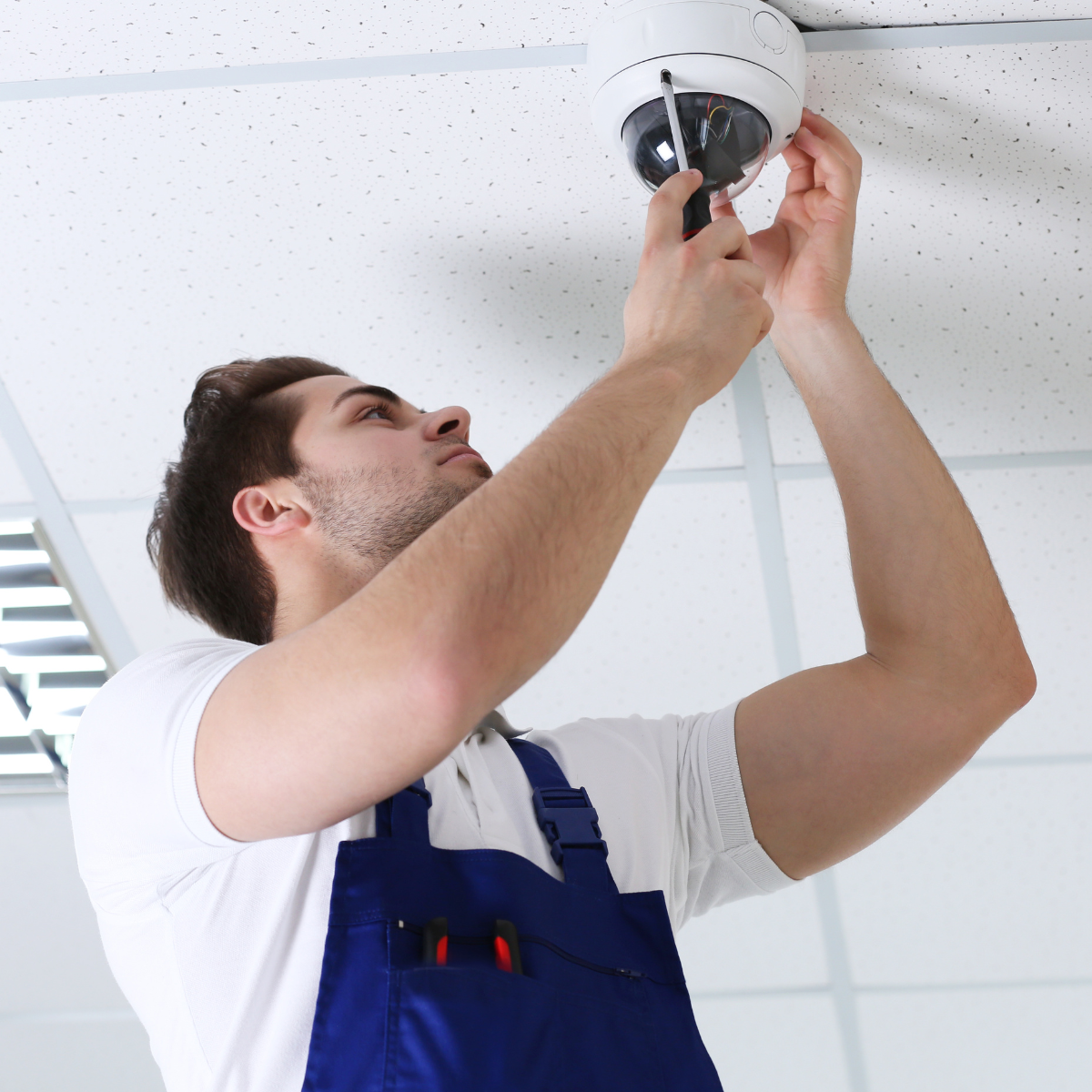
To appreciate the value of professional servicing, examine what these visits entail. A professional service includes cleaning lenses, inspecting parts, and testing camera functions. Without this, damage might occur, leading to costly repairs or replacement.
1. Recorder & Software Checks
- Testing NVR/DVR storage
- Updating firmware
- Reviewing settings
- Ensuring footage exports correctly
2. System Functionality Tests
- Assessing live view quality
- Testing motion detection and alert features
- Checking for blind spots or shifted camera angles
3. Compliance Review
- Ensuring signage is correct
- Reviewing data access permissions
- Confirming GDPR compliant processes
The Risks of Skipping CCTV Maintenance
Failing to service your CCTV system can lead to:
- Poor image quality that renders the footage unusable
- Missing recordings due to hard drive failure
- System not operational during a security incident
- Non-compliance with insurers and audits
- Criminals exploiting visible camera damage or faults
Professional servicing helps prevent these risks. Here’s the recommended time scales for CCTV Servicing:
Retail, education, warehouses: Every 6 months.
High-risk or critical environments, e.g., banks and Government buildings: Every 3 months.
Site-based visual checks: Weekly or monthly.
In summary, following the recommended maintenance schedule keeps your CCTV system efficient.