
Everything you need to know about Maglocks

A maglock, or magnetic lock, is an electronic locking device that utilises electromagnetic force to secure doors. Unlike traditional mechanical locks, maglocks depend on electricity to remain locked. When power is supplied, a strong magnetic bond forms between an electromagnet mounted on the door frame and a metal armature plate attached to the door. Maglocks are commonly used in commercial settings and high-traffic areas where controlled access, durability, and integration with access control systems are essential. Because they have no moving parts, maglocks are known for their reliability and long service life.
What Is a Maglock?
A maglock, or magnetic lock, is an electronic locking device that utilises electromagnetic force to secure doors. Unlike traditional mechanical locks, maglocks depend on electricity to remain locked. When power is supplied, a strong magnetic bond forms between an electromagnet mounted on the door frame and a metal armature plate attached to the door.
Maglocks are commonly used in commercial settings and high-traffic areas where controlled access, durability, and integration with access control systems are essential. Because they have no moving parts, maglocks are known for their reliability and long service life.
How do Maglocks work?
A maglock operates on a straightforward electromagnetic principle:
1. When power is supplied, the electromagnet becomes energised.
2. The magnet attracts the armature plate, creating a strong holding force.
3. The door remains locked as long as power is maintained.
4. When power is cut, whether intentionally or due to a power failure, the lock releases.
Most maglocks are fail-safe, meaning they unlock when power is lost. This feature makes them ideal for emergency situations and ensures compliance with fire safety codes. Maglocks are usually paired with access control systems such as keypads, card readers, biometric scanners, push-to-exit buttons, or fire alarm systems to allow authorised entry and safe exit.
Common Applications
Maglocks are widely used across industries for their versatility and strength. Typical applications include:
- Office buildings and corporate facilities
- Hospitals and healthcare centres
- Hotels
- Schools and universities
- Retail shops and shopping centres
- Government buildings
- Data centres and server rooms
- Apartment /flat block entry doors

Maglocks are particularly more effective on glass doors, aluminium frames, and high-usage doors, where traditional locks may wear out more quickly.
Benefits and limitations
Benefits
- High holding strength typically ranging from 600 to 1200 lbs or more
- No mechanical wear due to the absence of moving parts
- Quick unlocking for emergency exits
- Easy integration with new or existing access control systems
- Ideal for high-traffic areas
Limitations
- Requires continuous power to remain locked
- Not suitable as a standalone lock without an appropriate access control system
- Improper installation may lead to compliance issues
- May require backup power for security during power outages
Safety & Compliance
Safety and compliance are crucial when installing a magnetic door lock. Many countries have building and fire codes that require:
- Fail-safe operation
- Free egress always (occupants must have a clear, unobstructed, and easy way to exit a building in an emergency)
- Emergency release via fire alarm integration
- Clearly marked exit devices
- Push-to-exit buttons or sensors
Maglocks must be installed in accordance with local building codes, fire regulations, and life safety standards. Magnetic door locks must be installed correctly and by a professional, as non-compliant installations can pose safety risks and lead to legal issues.
Choosing the Right Maglock System
When selecting a maglock, consider the following factors:
- Door type and material (wood, glass, metal)
- Required holding force
- Indoor vs external maglock installation
- Integration with existing access control systems
- Power supply and backup options
- Safety requirements as per regulations
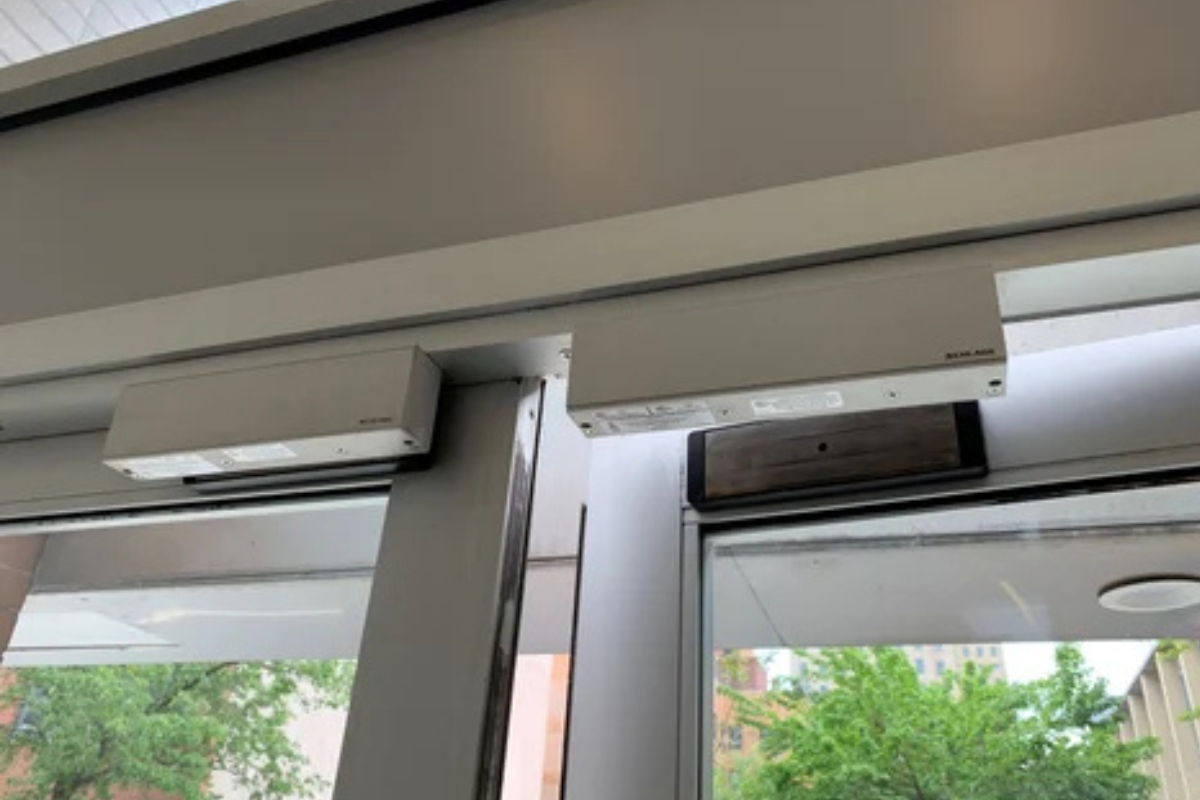
For high-security areas, it is advisable to choose heavier-duty maglocks with monitoring features. For standard access points, a basic commercial-grade maglock may suffice.
Are Maglocks worth it?
Maglocks offer a reliable, secure, and flexible solution for modern access control needs. When properly selected and installed, they enhance security while ensuring safety and compliance. Whether you are securing a commercial building, healthcare facility, or educational institution, maglocks provide an effective balance between strength and accessibility.
Norbain offers a variety of maglocks, perfect for any installation. Get in touch today to discuss your next security project or browse our maglocks on our website.


